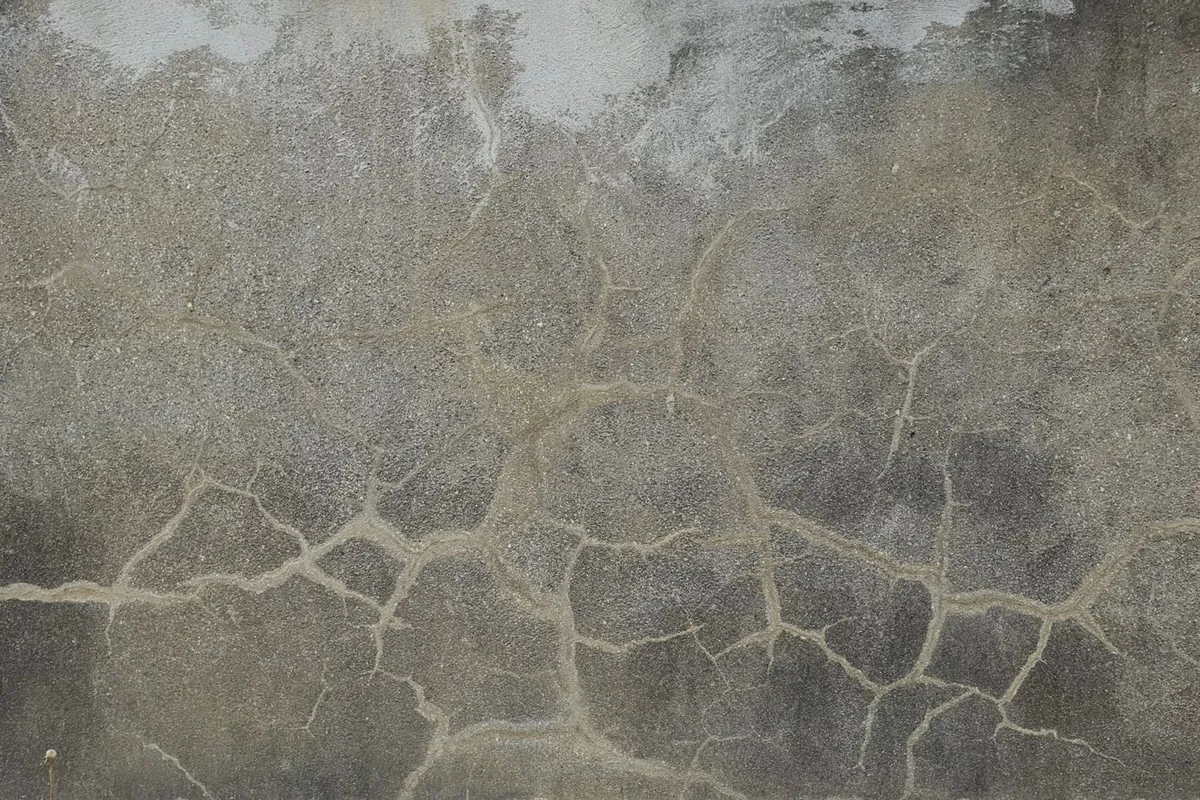
A slab leak is a leak in a water or drain pipe that runs in or under the concrete floor of a house. It matters more in Florida than in most states because so many homes sit on a slab: a Florida Solar Energy Center study puts it simply, “In Florida, slab-on-grade construction dominates.” The signs are a water bill that jumps with no change in use, a meter that keeps moving when every fixture is off, warm or damp spots in the floor, and flooring that lifts or stains. The fastest way to confirm a leak is the meter test below; after that, a licensed plumber locates and repairs the pipe, and the wet flooring, baseboards and walls need to be dried.
Water already coming up through tile, carpet or baseboards? Call (844) 206-6708. A partner call service checks whether a participating water damage company serves your Florida address; we may be paid when you call. Prefer to write? Use our contact page.
Signs of a slab leak in a Florida home
- A higher water bill with no new irrigation, guests or pool fill.
- The meter moves when nothing in the house is using water.
- A warm spot in the floor, which points to a hot water line under the slab.
- Damp or discolored grout, lifting vinyl plank, cupping wood or a carpet that stays wet near an interior wall.
- The sound of running water with everything turned off.
- Musty odor or mold at the base of walls or cabinets.
Leaks like this are easy to miss. The EPA’s WaterSense program estimates that the average household’s leaks can account for more than 9,300 gallons of water wasted every year, and that nine percent of homes have leaks that waste 50 gallons or more per day (EPA WaterSense, Fix a Leak Week, updated March 13, 2026). A pressurized supply line under a slab can run all day without a drop showing indoors.
Confirm it at the meter
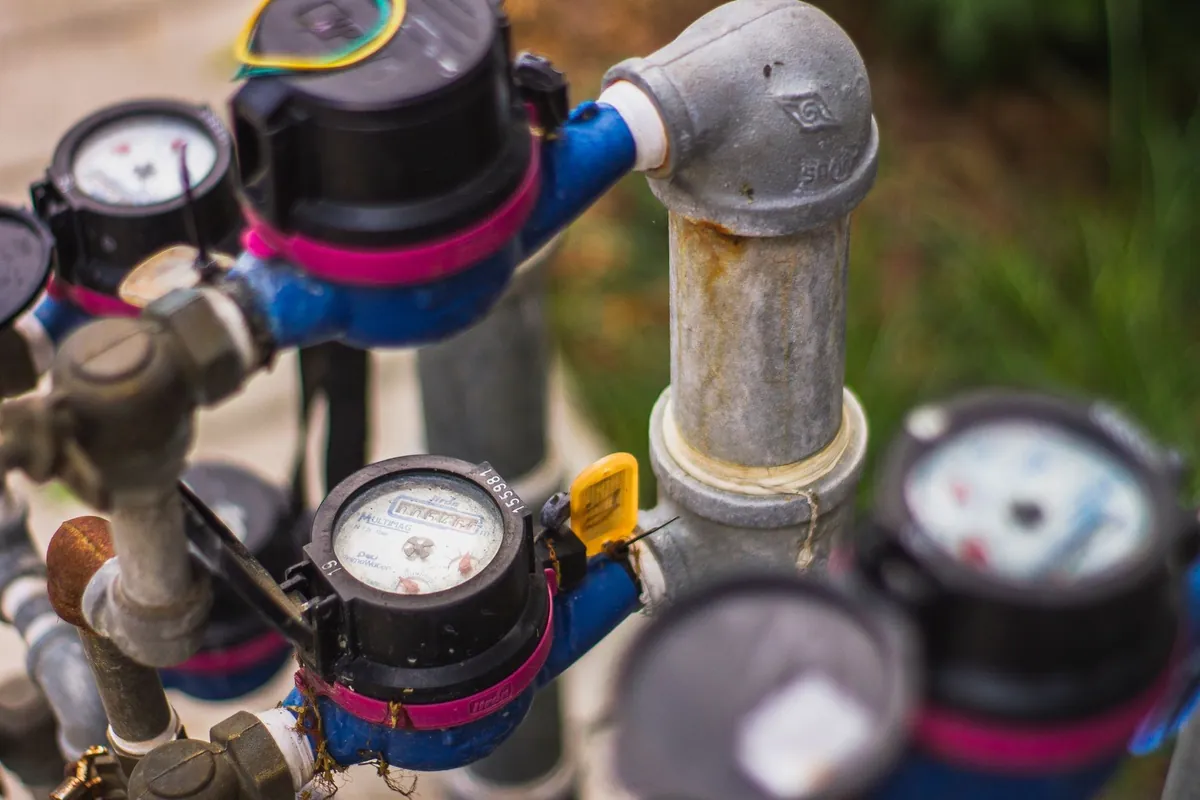
EPA’s test is the simplest one available: “Check your water meter before and after a two-hour period when no water is being used. If the meter changes at all, you probably have a leak.” To narrow it down:
- Turn off every faucet, the dishwasher, washing machine, ice maker and irrigation. Make sure no toilet is refilling.
- Write down the meter reading, or note the position of the small leak indicator on the dial if your meter has one.
- Wait two hours without using water, then read it again.
- If it moved, close the main shutoff valve at the house. If the meter still moves, the leak is likely between the meter and the house, in the yard line. If it stops, the leak is inside the house or under the slab.
Our article on the GRU water leak alert in Gainesville shows how one Florida utility splits responsibility at the meter; most work the same way.
Who finds and repairs the pipe
Locating and repairing a pipe under a slab is plumbing work. In Florida, a certified plumbing contractor is “a contractor whose services are unlimited in the plumbing trade,” licensed under Florida Statutes s. 489.105. You can check any contractor’s license on the DBPR license search, and Florida DFS tells homeowners to confirm that the contractor they choose is licensed to do business in Florida.
Plumbers generally choose among three approaches, and the choice changes how much of the house is affected:
| Approach | What it means | What to ask |
|---|---|---|
| Spot repair through the slab | Open the floor at the leak, repair the pipe, patch the concrete | How the flooring will be cut and who replaces it |
| Reroute | Abandon the line under the slab and run a new one through walls or the attic | Where the new line will run and what walls will be opened |
| Repipe | Replace a larger part of the supply system when the old pipe has failed in several places | Whether a permit is pulled and how long water will be off |
Ask for the location of the leak in writing and keep the plumber’s invoice. You will want it for your insurer and, often, for your water utility.
Plumber found the leak but the floor or walls are still wet? Call (844) 206-6708 to check which participating drying and restoration providers serve your area. A partner call service answers; we may be paid when you call.
Hot line, cold line or drain?
Not every leak under a slab behaves the same way, and the type shapes the repair and the cleanup:
- Hot water supply line: often the easiest to suspect, because the floor above it feels warm, and your water heater may run more than usual.
- Cold water supply line: no warm spot, but the meter test catches it because the line is under pressure all the time.
- Drain line: it is not under pressure, so the meter does not move. Signs are slow drains, sewer odor, or dampness that appears when fixtures are used. A plumber typically uses a camera inspection to find it.
Tell the plumber what you have noticed, when the bill went up and the result of your meter test. It shortens the search.
What to expect while the leak is located
Finding a leak under concrete is a process of elimination. A plumber usually isolates sections of the system, checks pressure, and uses listening equipment or other locating tools to narrow down the spot before anything is cut. Expect the water to be shut off for part of the visit. Before work starts, ask where the floor may be opened, how furniture and flooring will be protected, and whether the plumber’s report will mark the leak location, which helps both your insurer and any water damage provider who dries the area afterward. Take your own photos of the floor before and after.
Drying a floor after a slab leak
Water from a slab leak soaks up into tack strips, carpet pad, the bottom of drywall and the backs of cabinets, and concrete holds moisture longer than most people expect. The EPA says to dry water-damaged areas and items within 24-48 hours to prevent mold growth (EPA, A Brief Guide to Mold, Moisture and Your Home). A water damage provider measures how far the moisture spread, removes what cannot be dried and runs drying equipment until readings come down. Our pages on slab and ground-floor flooding cleanup and what drying equipment actually does explain the process.
Your water bill: ask about a leak adjustment
Many Florida utilities reduce a bill after a hidden leak is repaired, but the rules are local. Three examples read on November 13, 2026:
- Volusia County covers a leak “not readily detectable by a reasonable person,” including a leak in an underground service line “or under floors of a building”; it allows no more than one adjustment in a 12-month period and expects the repair within 30 days of the first high bill (Volusia County leak adjustment policy).
- Hillsborough County requires the leak to be repaired with proof of repair before an adjustment is considered (Hillsborough County, Request a Leak Adjustment).
- Pinellas County accepts a copy of a licensed plumber invoice or a notarized statement of repair (Pinellas County, Repaired Leak Statement).
Check your own utility’s page before the repair, so you keep the right paperwork.
Insurance and slab leaks
Florida DFS says a homeowners policy may cover water damage, while damage from general wear and tear or lack of maintenance is commonly excluded (Florida DFS, Determine Your Coverage Needs). Policies differ on the pipe itself, on access to it through the slab, and on damage from a leak that went on over time, so read the water damage section of your policy and ask before work starts. Notice of the claim must be given within 1 year after the date of loss under Florida Statutes s. 627.70132. See does insurance cover water damage in Florida and how to file a water damage claim.
Frequently asked questions
How do I know if I have a slab leak?
Do the meter test with all water off. If the meter moves and stops when you close the main valve at the house, the leak is inside or under the house. Warm floors, damp flooring and a higher bill are common signs.
Is a slab leak an emergency?
If water is coming up through the floor or spreading into walls, yes: shut off the main valve and start drying. The EPA’s window for drying wet materials is 24-48 hours.
Who repairs a slab leak in Florida?
A licensed plumbing contractor. Check the license on the DBPR license search before hiring.
Will my water utility lower my bill?
Often, if you repair the leak and keep proof. Rules vary by utility; some limit adjustments to one per year.
Does homeowners insurance cover slab leaks?
It depends on your policy wording. DFS notes that wear and tear and lack of maintenance are commonly excluded. Ask your insurer before the floor is opened.
Sources consulted November 13, 2026: Florida Solar Energy Center (UCF), study of slab-on-grade residences (2016); U.S. EPA WaterSense, Fix a Leak Week (updated March 13, 2026); U.S. EPA, A Brief Guide to Mold, Moisture and Your Home (updated February 18, 2026); Florida Statutes s. 489.105 and s. 627.70132; Florida DFS (myfloridacfo.com); Volusia County, Hillsborough County and Pinellas County leak adjustment pages. General information, not legal, insurance or plumbing advice.
Checking what is available in your area
restorewaterpro.com is a connection service. We do not perform restoration or plumbing work, and we do not employ technicians. If a slab leak has left wet floors, walls or cabinets in a Florida home and you want to be matched with participating providers, call (844) 206-6708; a partner call service answers, and we may be paid when you call. Service-area matching applies, availability varies, homeowners only, and you decide whether to move forward.